
The Invisible Energy That Shapes Our Lives
Have you ever walked away from a conversation feeling completely drained, even though nothing dramatic happened? Or met someone for the first time and immediately felt calm, safe, and understood without knowing why?
Most of us have experienced these moments. Yet we rarely stop to ask what causes them. According to In Search of Harmonious Balance: Beyond Mind, Body, and Soul by Mary Fontana, many of the forces that influence our thoughts, emotions, and relationships are invisible. Beneath our words and actions exists a subtle exchange of emotional and energetic patterns that shape how we connect with others and experience the world around us.
These unseen dynamics may not be visible, but they are deeply felt. And once we begin to understand them, they can change the way we view ourselves, our relationships, and our emotional well-being.
The Hidden Layer of Human Experience
Modern life teaches us to focus on what we can measure and see. We analyze behavior, communication, and psychology. But the book suggests that human experience goes deeper than that.
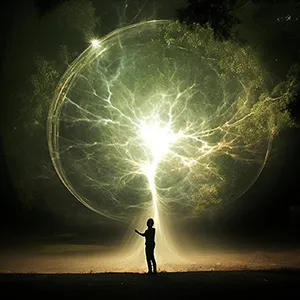
Every person carries a field of energy that reflects their emotional state, life experiences, and internal balance. This energy constantly interacts with others, whether we realize it or not.
Fontana describes this system as consisting of both horizontal and vertical energy meridians, along with the chakra system. Together, they influence how we receive and express emotional and spiritual energy. When these systems are balanced, people often feel calm, confident, and open to connection. When they are disrupted by stress, trauma, or negativity, the effects can ripple through every part of life.
While these ideas may sound abstract, their effects are surprisingly familiar. Think about the last time you entered a room and immediately sensed tension. No one said anything. Yet the atmosphere felt heavy.
That is the invisible layer of human interaction at work.
Why Some People Feel Safe
One of the most powerful aspects of human energy is the sense of safety it can create. When someone carries emotional balance and positive intention, others often feel comfortable in their presence. Conversations flow more easily. Trust develops naturally.
This happens because balanced energy tends to support connection rather than control. It allows space for others to express themselves without fear of judgment or manipulation.
We often describe people like this as warm, grounded, or uplifting. Their presence feels steady. Even in stressful situations, they seem to bring calm rather than chaos.
Although we may not consciously recognize the energetic dynamics behind this feeling, we instinctively respond to it.
Why Others Feel Drained
On the other hand, some interactions leave us feeling exhausted or unsettled. Perhaps the person constantly demands attention, criticizes others, or creates emotional tension in every conversation.
In the book, these patterns are described through different energetic behaviors. Some individuals unknowingly drain others’ energy through conflict, manipulation, or emotional dependency. Others create barriers that prevent genuine connection, leaving people confused and frustrated.
These dynamics often develop over time through life experiences, unresolved trauma, or learned coping mechanisms. People who feel emotionally depleted may unconsciously seek energy from others because they struggle to find stability within themselves.
As a result, relationships can become unbalanced. One person gives constantly while the other takes. Over time, this imbalance can lead to resentment, emotional fatigue, and broken connections.
Understanding these patterns can help us recognize when an interaction is healthy and when it may be quietly draining our emotional reserves.
The Role of Awareness
The most important step toward healthier relationships is awareness. When we become conscious of the unseen dynamics in our lives, we begin to see patterns that once felt mysterious.
For example, we might notice that certain conversations consistently leave us feeling anxious or depleted. We may realize that some relationships rely heavily on emotional rescue or constant reassurance. Or we may recognize that our own reactions sometimes reflect deeper emotional wounds rather than present circumstances.
Awareness does not mean blaming others or distancing ourselves from everyone who challenges us. Instead, it encourages us to observe interactions with clarity and compassion.
By recognizing the energetic exchanges between people, we can respond more thoughtfully rather than react automatically.
Restoring Balance Within Ourselves
Healthy energy does not come from controlling others. It begins with self-awareness and internal balance.
When individuals learn to understand their emotional patterns, they often discover areas where energy has been blocked or distorted by past experiences. Fear, grief, resentment, or unresolved pain can quietly shape behavior long after the original event has passed.
Healing begins when these experiences are acknowledged rather than ignored. As emotional balance improves, people often feel more grounded and less dependent on others for validation or stability.
This shift creates healthier relationships because energy flows more freely when both individuals can sustain themselves emotionally.
Instead of seeking to take or defend energy, they can share it.
A New Way to See Relationships
Recognizing the invisible energy that shapes our lives offers a new perspective on human connection.
Suddenly, the confusing dynamics in relationships begin to make sense. The people who once seemed mysteriously draining or uplifting reveal patterns rooted in emotional balance and energetic exchange.
More importantly, this awareness invites us to reflect on our own presence in the world. The energy we carry influences every interaction we have. It shapes how others experience us just as much as their energy shapes us.
When we begin to cultivate balance within ourselves, we naturally contribute to healthier environments and deeper relationships.
The truth is that much of life unfolds in quiet, unseen ways. Forces that exist beyond what we can easily measure guide our thoughts, emotions, and connections.
However, by learning to recognize these invisible dynamics, we gain something powerful: the ability to create relationships built on understanding, balance, and genuine connection.
In addition, sometimes, the most meaningful changes in our lives begin not with what we can see—but with what we finally learn to feel.